Classroom guide · Ages 8–12

Moonlight Bay and the Land of Seven Suns

Discussion questions and printable worksheets for reading Jonathan Reule’s middle-grade fantasy with a class or book group. The themes are friendship, feeling out of place and the quiet kind of courage.

Author
Jonathan Reule
Publisher
Lil Donut Press
Length
39 chapters · about 60,000 words
Suits
UK Years 4–7 · US Grades 3–6

About the book

Scott building a model train at his desk
Every adventure begins with a little curiosity.

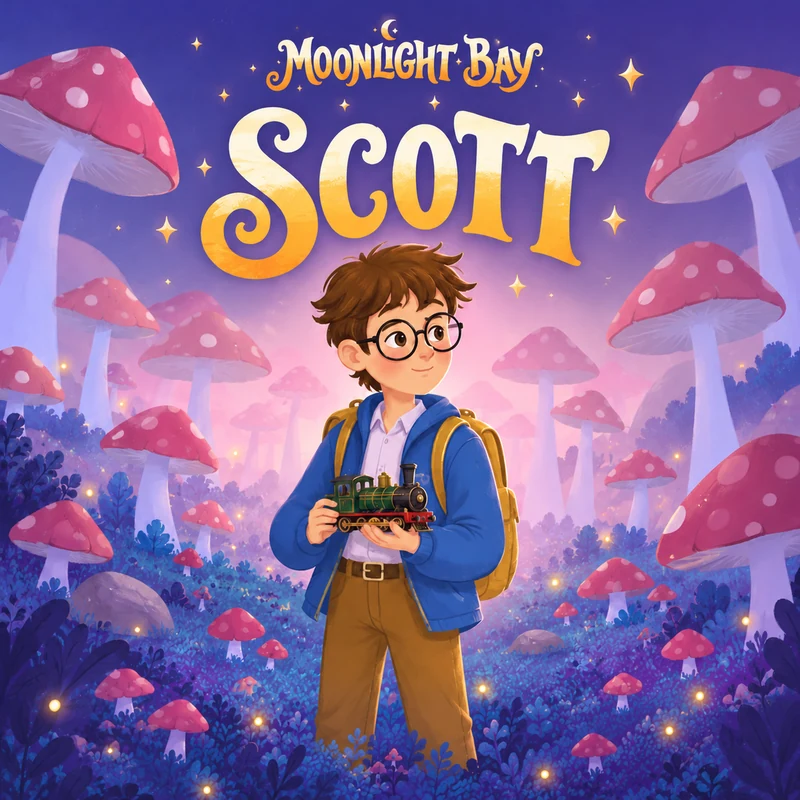
Scott is eleven, wears glasses and builds model aeroplanes. His classmates laugh at him and his loving, eccentric parents don’t notice how lonely he is.

When a toy train in an antique cabinet carries him to Moonlight Bay, he is arrested as a kidnapper, breaks out with the help of an outcast fire sprite, and joins a Noble Quest to find the mysterious train that has been stealing creatures in the night. His companions are all outsiders too: a talking coconut searching for her sister, a forgetful mage, a shadow elf who insists they are not friends, and a gruff old wolf who still guards a fallen city.
Notes for teachers

  • Peril: a boar-man plans to eat Bianca (Ch 17–18); werewolves hunt Scott through Singaul (Ch 26–28); undead werewolves try to lure him in a tunnel (Ch 30); characters are turned to salt (Ch 32); a frightening fight with the Evil One (Ch 35).
  • Mild comic nudity: on “Natural Tuesdays” Scott’s dad paints in the garden wearing only a few handwoven leaves (Ch 2). Nothing is described.
  • Unusual words: the book’s Timekeeping Annex explains units like sunbloom cycle and moonblight. Worksheet 3 uses it for a maths lesson.
  • The guide follows the book in five parts, so you can stop for discussion without spoiling later chapters.
  • Neurodivergent perspectives: Some neurodivergent readers may recognise themselves in Scott’s deep interest in model-making, his discomfort with unpredictability and his struggles to connect with classmates. His interests bring him enjoyment and give him skills he can draw on during his adventure. His identity remains open to interpretation. Focus discussion on what helps him feel understood and included.

Themes to watch for

Scott

Loved, but out of place

Scott’s parents adore him, yet at dinner he feels invisible. Children can feel lonely in a happy home, and the book treats that gently.
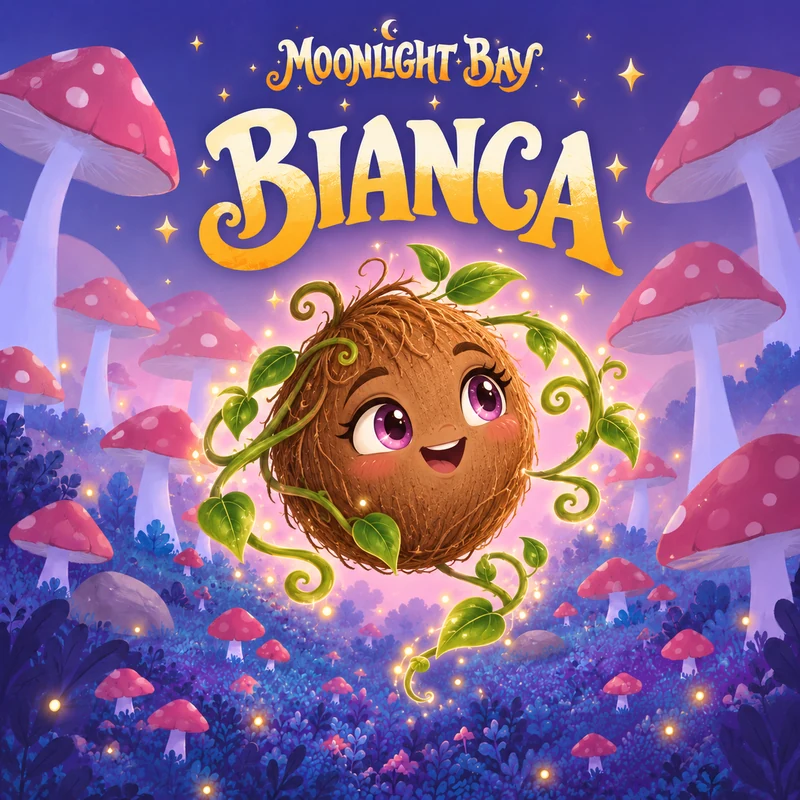
Bianca

Friendship across differences

Each companion is an outsider in their own world. They argue constantly, and the friendships form through that friction.

Friedholt

Kindness beneath a gruff exterior

Friedholt growls and barks orders, yet gives Scott his food and his bed. His actions show that care can take unexpected forms.
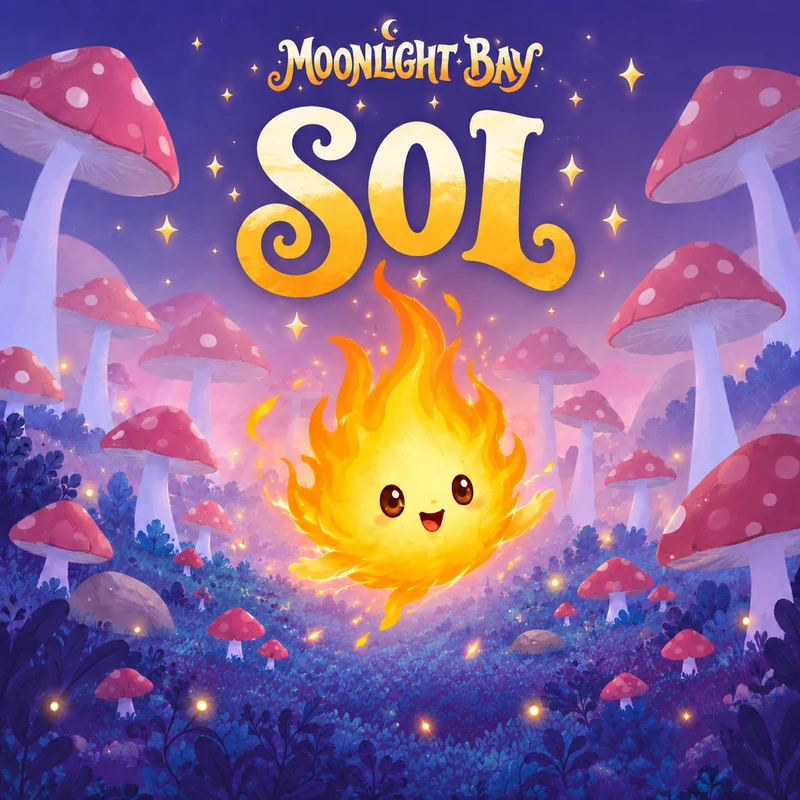
Sol

Words have power

Sol teaches Scott that cruel words can only have as much power as you give them, and Scott’s own inner voice becomes the last enemy he faces.
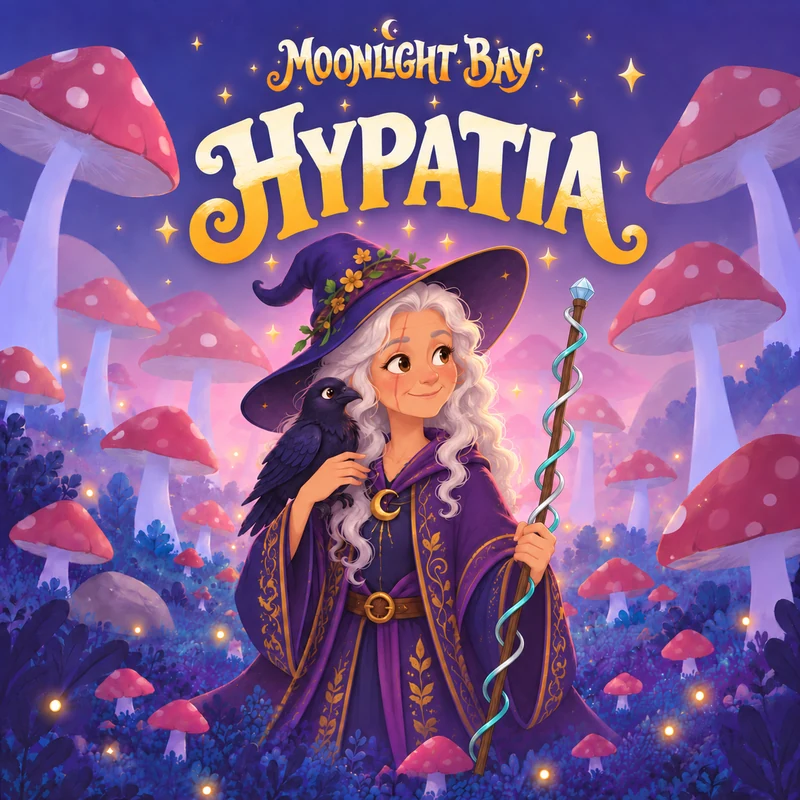
Hypatia

Flaws that turn out useful

Sol explodes, Hypatia forgets spells, Bianca talks too much. Each “flaw” saves the group at some point.
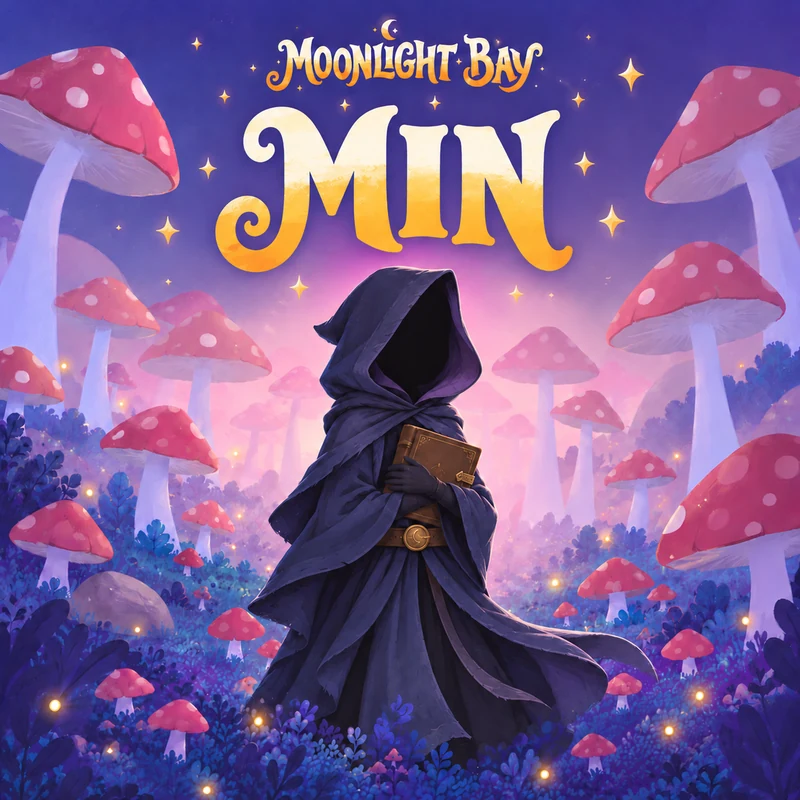
Min

Learning to trust

Min insists the companions are not her friends, but joins their quest all the same. Her journey explores how trust grows through shared experiences, even when it is hard to put into words.

Discussion questions

Use a few from each part rather than all of them. The starred questions work well for written responses.

Part One · Richmond to the jail cell

Chapters 1–8
  1. Scott’s class laughs when he says he wants to build models. Why do you think he tears up his drawings on the way home? Have you ever hidden something you love because of how others reacted?
  2. ★ Scott’s parents clearly love him, but at dinner he feels invisible. How can someone feel lonely even when they are loved?
  3. Sol tries again and again to speak at the sprite councils, and every time someone else takes over. How does the author make these scenes funny and sad at the same time?
  4. The golden card ends: The choice is yours, nothing’s as it seems. What choice is Scott really making when he touches the train?
  5. In the jail cell, Sol admits that he needs Scott’s help too. Why might it matter that this friendship starts with both of them needing each other?

Part Two · Gathering the quest

Chapters 9–20
  1. Bianca thinks her sister Mipsy is a show-off, but she throws herself into the sea to save her. What does Bianca mean when she says she doesn’t have to like her sister, but she does owe it to her?
  2. Sol can’t persuade the jail stones to open the door. Scott can. What does Scott do differently?
  3. Gildea will only join a Noble Quest if she is paid. Is a quest still noble if you are paid to go on it?
  4. ★ Hypatia seems terrifying when Sol first meets her, and Boris seems kind when Bianca first meets him. How do first impressions mislead the characters in this part of the book?
  5. Bianca calls him “Scott the Brave”, and he has never been called brave before. Why does that one word mean so much to him?
  6. Min says We’re not friends, but she joins the quest anyway. What do you think is going on inside her?

Part Three · The swamp and Singaul

Chapters 21–28
  1. Min and Hypatia both want to lead and both refuse to admit they are lost. How does Scott get them moving in the same direction?
  2. ★ Scott feels sorry for the alligators while everyone else wants to keep them away. Who turns out to be right, and what does that tell us about judging by appearance?
  3. King Goobious wants followers who think exactly as he does. Why is that frightening? How is the Noble Quest group different?
  4. In Singaul, Min tells the group that everyone in it is “broken”. Is she right? Was it fair to say it?
  5. Friedholt growls, barks orders and snaps Did I ask?, yet he gives Scott his food and his bed. How can you tell what someone is really like?

Part Four · Blackthorp and the train

Chapters 29–35
  1. Friedholt believes a soldier who leaves the group has broken a vow. Scott says Sol is upset, not abandoning them. Who do you agree with, and why?
  2. ★ Among the dwarf statues, Scott remembers that bravery isn’t about being fearless but about pushing through despite your fears. Describe a time you were brave while still feeling scared.
  3. The train offers Scott his own bedroom door, with Chubbs asleep on the bed. Why does he turn away? What would you have done?
  4. Sol confesses that Pip was never really his friend. Why did Sol want to rescue him anyway? Does it change how you feel about Sol?
  5. Scott looks at the broken crystal and thinks of his model kits. How does the hobby his classmates laughed at end up helping him?
  6. When the cold black fire hits him, Scott hears his own voice telling him he is alone and weak. What changes his mind?

Part Five · Coming home

Chapters 36–39
  1. Pip mocks Sol even after Sol helped to save him. How does Sol respond? How would you want a friend to respond?
  2. Min leaves without saying goodbye, but Croaker lands in Scott’s hands first. What might that tell us about how Min feels?
  3. ★ Back home at three in the morning, Scott climbs into his parents’ bed and thanks his mum for the cabinet. What has changed in Scott? What has stayed the same?
  4. The book ends with the dwarves’ medal in Scott’s drawer and Chubbs still in Moonlight Bay. What do you think happens next?

Whole-book questions

  1. Every member of the quest is an outsider somewhere. Choose one character and explain where they don’t fit in, and where they finally do.
  2. Is Scott braver at the end of the book, or did he have courage all along? Use two moments from the story to support your answer.
  3. Scott ends up missing the friends he made in Moonlight Bay. Why do you think he chose to go home?
  4. The people of the Land of Seven Suns measure time with sunblooms, moons and harvests. Why might an author invent their own units of time?
  5. What does model-making mean to Scott? How do his classmates respond to it, and how could they show that they value something important to him?

Printable worksheets

Black-and-white A4 PDFs, ready to download and photocopy. Worksheets 1 and 5 work after Chapter 20; the others are best after finishing the book.

Download all five worksheets
Worksheet 3 · 2 pages

Timekeeping in the Land of Seven Suns

Practise maths with Moonlight Bay’s units of time.

Download worksheet 3 (PDF)
Worksheet 4 · 1 page

Design a Quest Companion

Invent a new companion and write their first meeting with Scott.

Download worksheet 4 (PDF)

Answer key

Download the answer key (PDF)

Worksheet 1

Scott: Who needs help? / hesitates. Sol: What is the good thing to do? / believes. Bianca: Who do I protect? / acts. Min: What am I missing? / thinks it through. Accept any well-chosen moment, for example Scott worrying the alligators are only curious (Ch 23), Sol believing Scott arrived for a reason (Ch 20), Bianca leaping from her tree for Mipsy (Ch 9), Min asking the monk and the nun about the blank book (Ch 13).

Worksheet 3

  1. 28 days, which is 4 weeks.
  2. 3 × 28 + 14 = 98 days.
  3. 7 × 84 = 588 days. Two solar cycles are 728 days, so it is less.
  4. 728 ÷ 28 = 26 moonblights.
  5. 4 × 12 = 48 solar cycles.
  6. 11 × 365 = 4,015 days. 11 solar cycles = 4,004 days, so Scott is 11 solar cycles and 11 sunbloom cycles old.
  7. Open answer.

Worksheet 5

1 Richmond upon Thames · 2 Moonlight Bay jail · 3 Hypatia’s half-built house · 4 The boar-man’s house · 5 Mushroom Valley · 6 The swamp · 7 The city of Singaul · 8 Blackthorp.

Continue the adventure

Buy the book

Find a copy of Moonlight Bay and the Land of Seven Suns for your classroom, book group or next reading adventure.
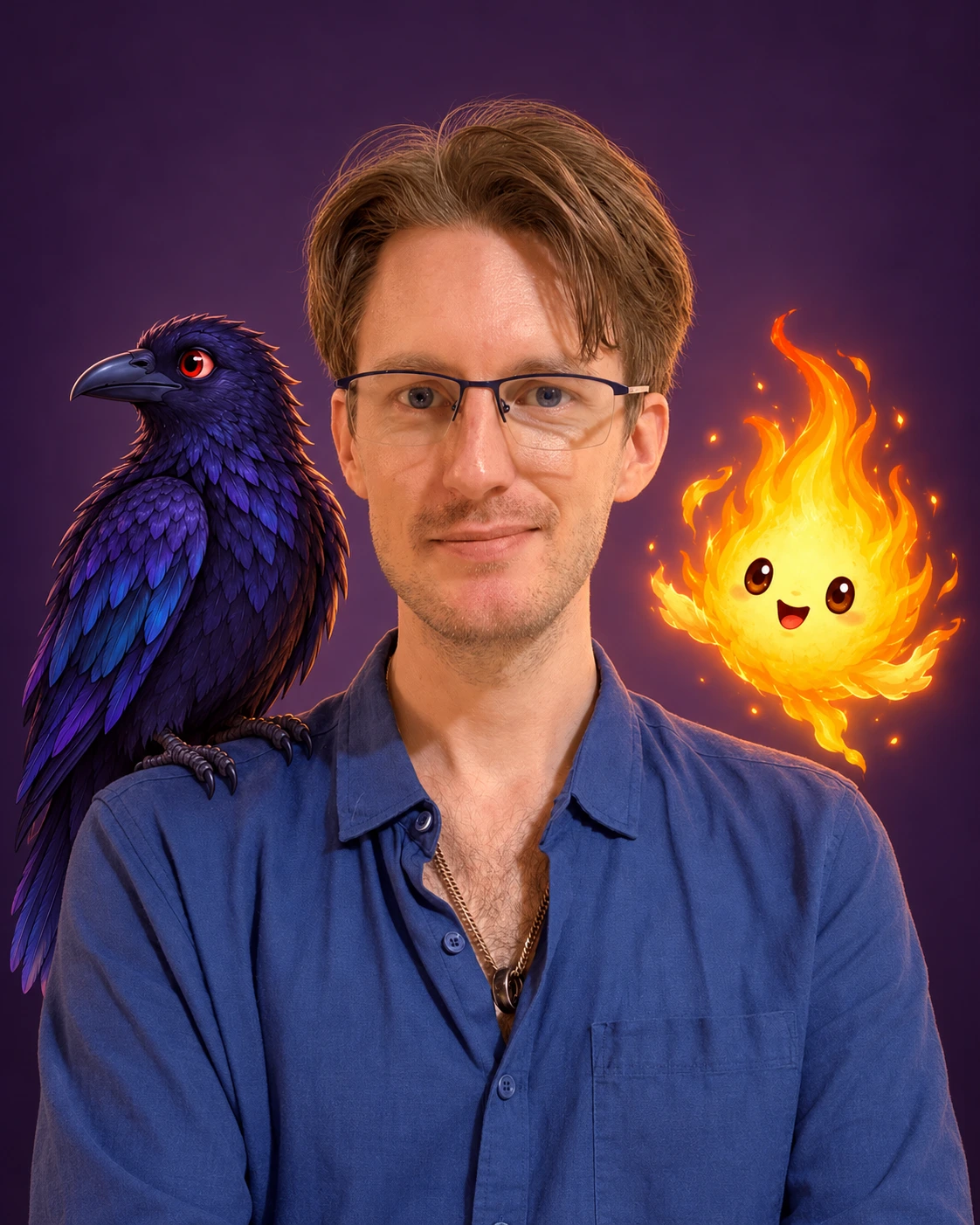
Jonathan Reule with Lux the raven and Sol the fire sprite against a purple background
Jonathan ReuleAuthor of Moonlight Bay
Meet the author

Bring Jonathan
into your classroom.

Studying Moonlight Bay and the Land of Seven Suns with your class? Meet the person behind Scott’s adventure and bring your readers’ questions along.

Duration
20 minutes
Location
Your classroom, online

Talk about the story, explore its characters and ask Jonathan about writing Moonlight Bay.

Book a virtual classroom visit (opens in a new tab)

Frequently asked questions

Who are the teaching materials for?

Teachers, librarians and families reading Moonlight Bay with children can use these resources. The book suits readers aged 9 and up; choose and adapt activities to suit your group.

What is included in the teaching guide?

The free resources include 31 discussion questions arranged by reading section, five printable worksheets, suggested teacher responses with story evidence, and a worksheet answer key.

Do I need to join a mailing list to download the guides?

Yes. Sign up for the Lil Donut Press mailing list and confirm your email address to access the free downloads. The mailing list shares book news and classroom resources, and you can unsubscribe at any time.

Do the materials contain spoilers?

The discussion questions follow five reading sections so you can stop at the point your class has reached. Teacher’s discussion notes contain spoilers for the whole book. Check the suggested reading point before sharing a worksheet.

Can I use the guide to discuss neurodivergent perspectives?

Yes. The teacher notes discuss Scott’s deep interests, discomfort with unpredictability and experiences of friendship while leaving his identity open to interpretation. Focus on the story and what helps Scott feel included; pupils can discuss characters without sharing personal experiences.

Your classroom adventure starts here

Open the door to
Moonlight Bay.

Bring your readers along for the journey. Explore friendship, courage and belonging with five printable worksheets, discussion questions, teacher’s notes and the answer key.

Free classroom resources · Ready to print